

UK Horse Racing: What Happens When It’s Not On?
Horse racing in the UK is a beloved sport, deeply ingrained in its cultural fabric. However, like all sports, it has its off-seasons. Understanding the dynamics of UK horse racing when it’s not actively taking place, including UK horse racing not on GamStop horse racing betting sites not on GamStop, can offer keen insights into the sport’s offseason challenges and opportunities.
The Nature of UK Horse Racing Seasons
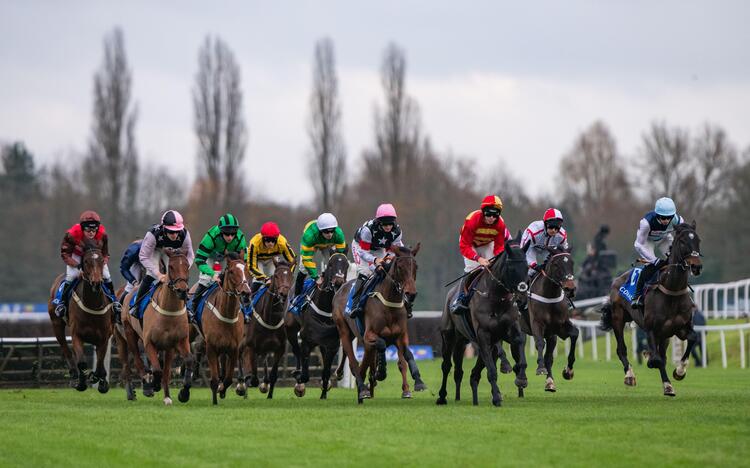
In the UK, horse racing has a structured calendar, usually featuring two main seasons: the flat racing season and the jump racing season. The flat season typically runs from March to November, while the jump racing season generally begins in October and concludes in April. During these times, racecourses across the UK are bustling with activity, but what happens when the horses aren’t racing?
Understanding the Off-Season
The off-season, which can be a period characterized by fewer races, notably affects the racing employment ecosystem. Trainers, jockeys, and stable staff find themselves pivoting to alternative activities like training horses, preparing for upcoming seasons, or even branching out into different types of equestrian sports. This off-time can be vital for horses, allowing them the necessary recovery and rest after intensive seasons.
Betting Opportunities During Downtime
For many horse racing enthusiasts, the off-season poses an invaluable opportunity to refine their analytical skills and prepare for the next racing season. Betting on horse racing doesn’t completely halt; several other related events are often available. Furthermore, many bettors turn their attention to international horse races and alternative betting platforms. For those seeking variety, horse racing betting sites not on GamStop might provide exciting options beyond the regulated UK markets.
The Role of Virtual Racing
When traditional horse racing slows down, the rise of virtual racing has become increasingly popular. These simulated races take place without physical horses and are powered by sophisticated software that uses real racing statistics to produce outcomes. Virtual races are frequently available for betting, providing an adrenaline rush for bettors eager to participate even during downtime.
Impact on the Economy
The racing calendar significantly impacts local economies. Race days often attract thousands of visitors, leading to increased business for local pubs, hotels, and retailers. Conversely, when races aren’t happening, those in the surrounding communities might experience a slowdown. It’s crucial for racing communities to find alternative revenue streams, whether through local events or promotion of nearby attractions.
Engaging Fans Through Off-Season Activities
Many racecourses take the initiative to engage fans during the off-season by organizing events. These can include horse shows, educational programs, and community events that foster an appreciation for equestrian sports. Such activities not only maintain interest but also keep the connections strong between fans, owners, and the sport itself.
Future of UK Horse Racing Off-Season
As the UK horse racing scene continues to evolve, so too will the strategies employed during the offseason. Innovations in technology, fan engagement, and alternative betting practices will likely shape how both horses and fans experience the periods between major racing events.
The Importance of Welfare
Another critical aspect during the off-season is horse welfare. The racing industry has been working tirelessly to ensure that all horses are given the best possible care during times of rest. This includes proper veterinary care, regular exercise, and training tailored to maintain their health while allowing for recovery.
Conclusion: Anticipating the Next Season
While it may feel like a lull when UK horse racing is not on, this period offers ample opportunity for reflection, preparation, and anticipation for the next season. If you’re an avid follower of the sport, whether you’re interested in betting, attending races, or just enjoy the culture surrounding it, there’s no shortage of ways to stay engaged. By embracing the offseason, the horse racing community can lay the groundwork for a robust comeback full of excitement and endurance.
