

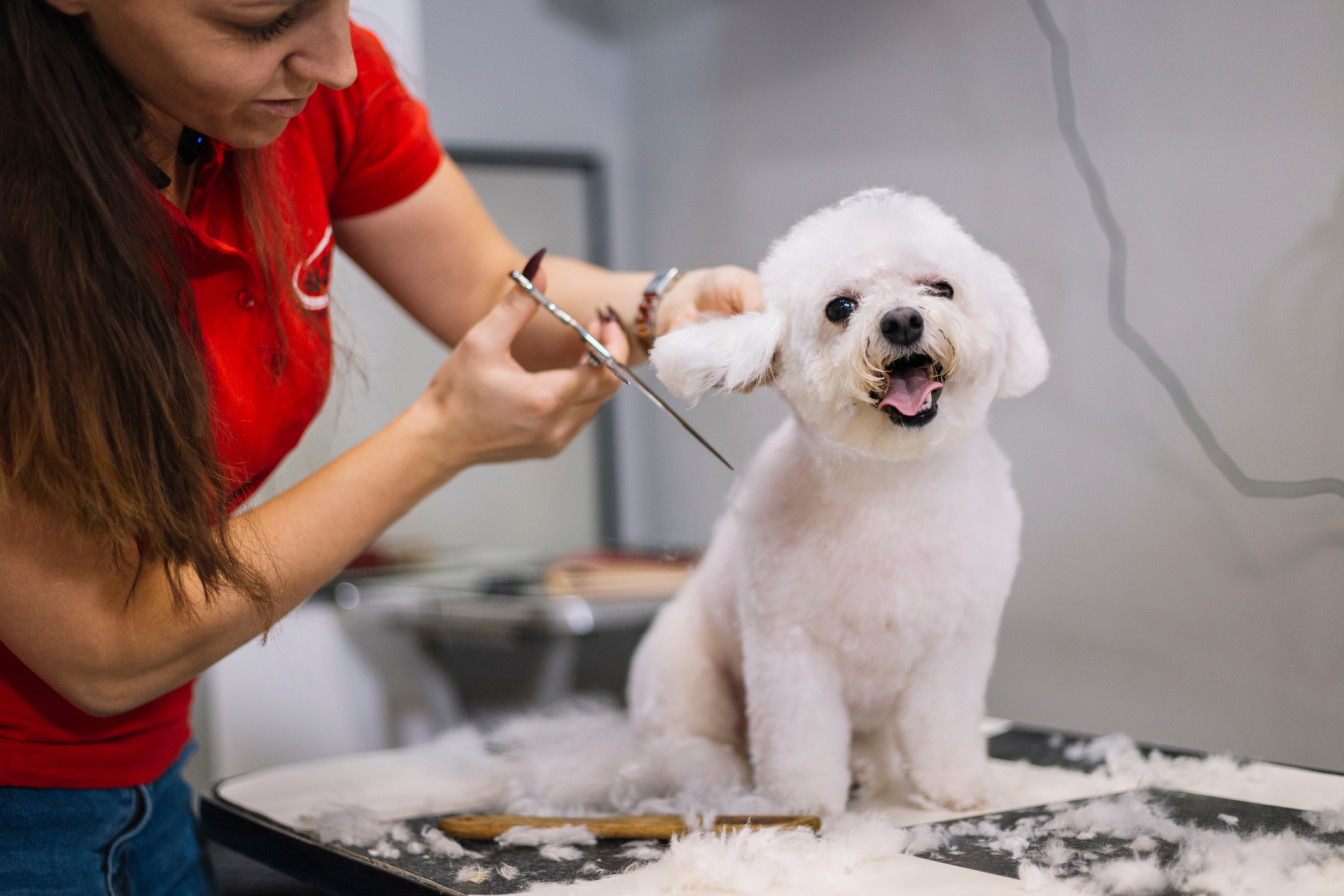
Maintaining proper hygiene is essential to a pet’s overall health, comfort, and quality of life. While bathing is an important part of the process, grooming involves a much broader range of care that keeps pets clean, reduces odors, and prevents issues that can affect their skin, coat, and general well being. A consistent grooming routine supports long term hygiene and helps pets feel their best every day. Understanding how grooming contributes to cleanliness allows owners to create habits that promote a healthier, more comfortable life for their companions.
Keeps the Coat Clean and Free of Buildup
A pet’s coat naturally collects dirt, dust, and loose fur. Without regular grooming, these particles accumulate and create buildup that can lead to odors, irritation, or dullness. Brushing removes loose hair and debris before they settle deeper into the coat, helping pets stay cleaner for longer periods.
Regular brushing also prevents mats and tangles, which can trap dirt and moisture close to the skin. Pets with long or thick coats especially benefit from frequent brushing, as it keeps the coat smooth and reduces the amount of loose fur that spreads throughout the home. A clean, well maintained coat is one of the most important foundations of good hygiene.
Supports Healthy Skin Through Proper Maintenance
Healthy skin is essential for maintaining overall hygiene. Grooming helps remove buildup that can clog pores or trap moisture, reducing the risk of irritation or infection. Brushing stimulates blood flow to the skin, promoting natural healing and supporting a balanced, healthy surface.
Bathing with gentle, pet safe shampoos also helps remove excess oils and environmental debris that contribute to skin problems. Professional services such as pet grooming in Virginia Beach, can provide deep cleaning treatments that support both skin and coat health. When the skin is clean and well cared for, pets experience greater comfort and improved hygiene.
Reduces Odors by Managing Problem Areas
Odors often develop when dirt, oils, or moisture accumulate in certain areas of the body. Regular grooming helps manage these problem spots before smells become noticeable. Bathing removes buildup that contributes to odor, while brushing helps distribute natural oils that keep the coat fresh.
Ears, paws, and the area around the tail are especially prone to odor. Cleaning these regions regularly helps prevent bacteria from thriving and reduces the likelihood of unpleasant smells. A well groomed pet naturally smells cleaner and stays fresher between baths.
Keeps Nails, Ears, and Paws Clean
Hygiene extends beyond the coat. Nails, ears, and paws require consistent attention to prevent buildup and maintain cleanliness. Overgrown nails can trap dirt and affect a pet’s posture, while unclean ears may develop wax buildup or debris that leads to infection. Regular nail trimming and ear cleaning help pets stay clean and comfortable.
Paws collect dirt, mud, and outdoor debris. Trimming fur around the paw pads and checking for debris helps pets stay cleaner and reduces the amount of dirt tracked into the home. Clean paws contribute significantly to overall hygiene and help maintain a healthier living environment.
Helps Prevent Skin Infections and Irritation
Moisture, dirt, and trapped fur can create conditions where bacteria thrive. When these elements remain close to the skin, they may lead to infections or hot spots that cause significant discomfort. Regular grooming helps prevent these issues by keeping the coat clean and removing buildup that can trap moisture.
Grooming sessions also provide an opportunity to check for early signs of infection, such as redness, swelling, or unusual odors. Addressing these concerns promptly helps prevent more serious issues from developing and supports long term hygiene.
Promotes Comfort and Overall Cleanliness
A clean pet is a comfortable pet. Grooming removes irritants that can cause itching or discomfort, helping pets feel at ease throughout the day. Clean fur, trimmed nails, and fresh skin all contribute to a sense of well being that supports both physical and emotional health.
Regular grooming also helps pets become accustomed to being handled, making future grooming sessions smoother and more effective. When pets feel comfortable during grooming, the process becomes more beneficial for both the pet and the owner.
Conclusion
Grooming plays a vital role in maintaining pet hygiene by keeping the coat clean, supporting healthy skin, reducing odors, maintaining cleanliness in sensitive areas, preventing infections, and promoting overall comfort. With consistent care and thoughtful routines, pets enjoy a cleaner, healthier, and more comfortable life year round.
