

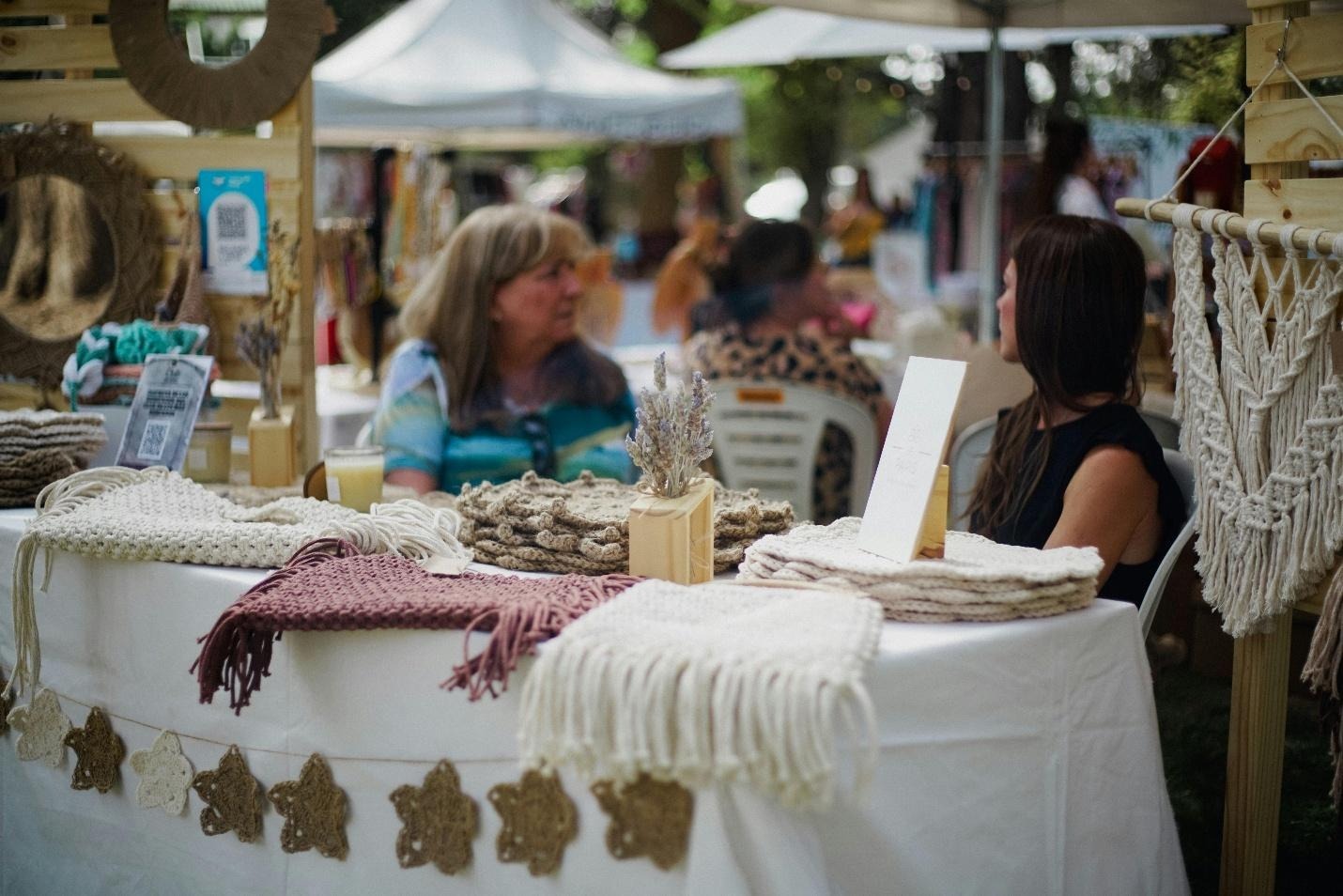
Behind every successful trade show exhibit is a well-prepared team. Training and alignment are just as important as booth design, marketing strategy, and product displays. When staff members understand their roles, know the company’s goals, and are equipped to handle a fast-paced environment, the entire event becomes more productive and more enjoyable for attendees.
Clarifying Goals and Expectations Early
Before a team steps onto the show floor, they need a clear understanding of what success looks like. Whether the objective is lead generation, product demonstrations, brand awareness, or customer meetings, clarity ensures everyone works toward the same outcome. This is an essential step for any team representing a company through its quality tradeshow booths, where consistent messaging and behavior make a significant impact.
Training for Effective, Natural Engagement
A strong booth presence requires more than product knowledge—it demands conversational confidence. Teams should be trained in open-ended questioning, active listening, and reading attendee cues. Role-playing common scenarios can help team members practice introductions, engagement tactics, and handling various attendee personalities. The goal is to create natural, helpful interactions rather than scripted dialogues.
Ensuring Professional Presentation and Etiquette
Booth staff represent the brand in every way, from appearance to body language. Best practices include standing rather than sitting, keeping phones out of sight, maintaining approachable posture, and staying aware of attendee movement around the booth. When the team demonstrates professionalism consistently, visitors feel more comfortable approaching.
Establishing Internal Communication and Workflow
Good trade show teams operate like well-run micro-organizations. Before the event, assign roles such as product specialist, greeter, lead-capture coordinator, and meeting scheduler. Create a plan for shift rotations to avoid fatigue. Provide a communication system—whether messaging apps or simple check-ins—to keep everyone aligned throughout each show day. A structured internal workflow prevents confusion and supports a seamless visitor experience.
Conclusion
Preparing a team for trade show success requires intentional training, clarity, and coordination. When staff know their goals, feel confident in their engagement skills, and operate within a structured workflow, they elevate the entire booth experience. This preparation leads to stronger conversations, a more polished brand presence, and significantly better outcomes for your organization.
